Farming and storage
Grain farming and storing grain in Ukraine
Grain farming, storage and oilseed processing under one roof: our farms grow cereals and oilseeds in five regions of Ukraine, and our own silos and oil plant take care of the harvest.
- 5farming regions of Ukraine
- 7grain and oilseed crops
- 390K tseeds processed
- 110K tanimal feed produced
Commercial grain farming in five regions
Our grain farming base is a union of farms in the Dnipropetrovsk, Kirovohrad, Vinnytsia, Zhytomyr and Rivne regions. Between them they grow wheat, barley, rye and corn, plus the three oilseeds we crush in our own plant: sunflower (including high oleic hybrids), rapeseed and soybean.
We treat this as commercial grain farming, planned around what buyers need to receive, not around one field. The farms stretch from the steppe in the south-east to the wetter northwest, so soils and weather differ inside a single season. A dry spell in one area rarely leaves the whole crop short, which is what keeps supply steady for importers and processors.
For a buyer, the practical result is one contract partner instead of dealing with each grains farm separately, with growing, drying, storage and dispatch handled by the same team.
How we grow: from classical tillage to no-till
There is no single recipe for farming grain on our land. Each grain farm in the group picks its tillage method, anywhere from classical ploughing to no-till, based on the soil, the moisture left after winter, the weather forecast and the crop going into the ground.
No-till leaves the previous crop's residue on the surface. That protects the soil from wind and water erosion and holds moisture, which counts in the drier steppe fields. On heavier or weedier ground, classical tillage still does the better job. Choosing field by field lets us aim for a good yield this year while keeping the land productive for the years after.
Crops we grow and store
Our range covers cereals, oilseeds and one legume. Each crop has its own page with growing details and supply terms.
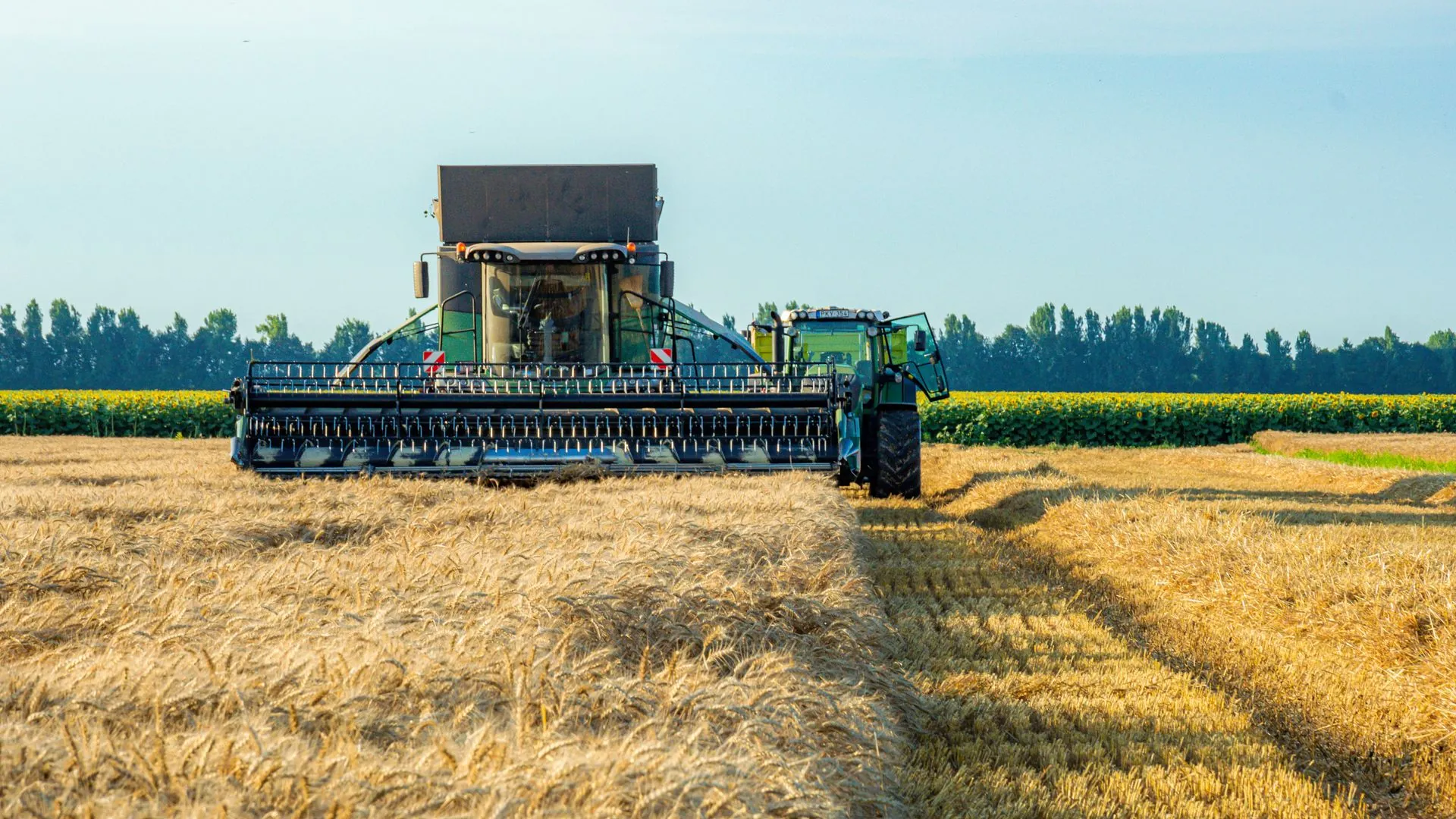 WheatMostly winter wheat, sown in autumn and harvested in summer. Used for milling and for feed.
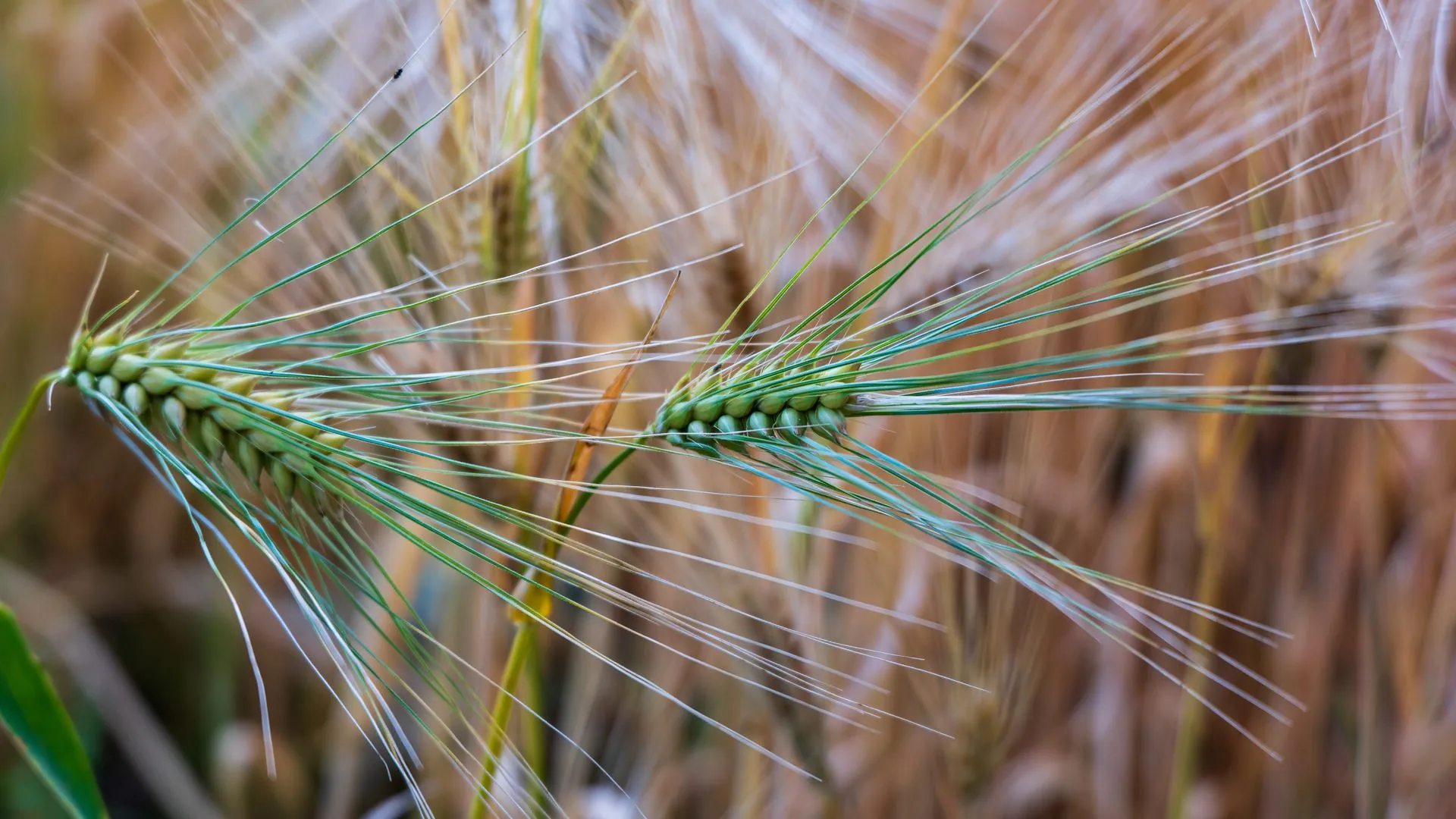 BarleyWinter and spring forms. The main outlet is animal feed; malting lots depend on the crop parameters.
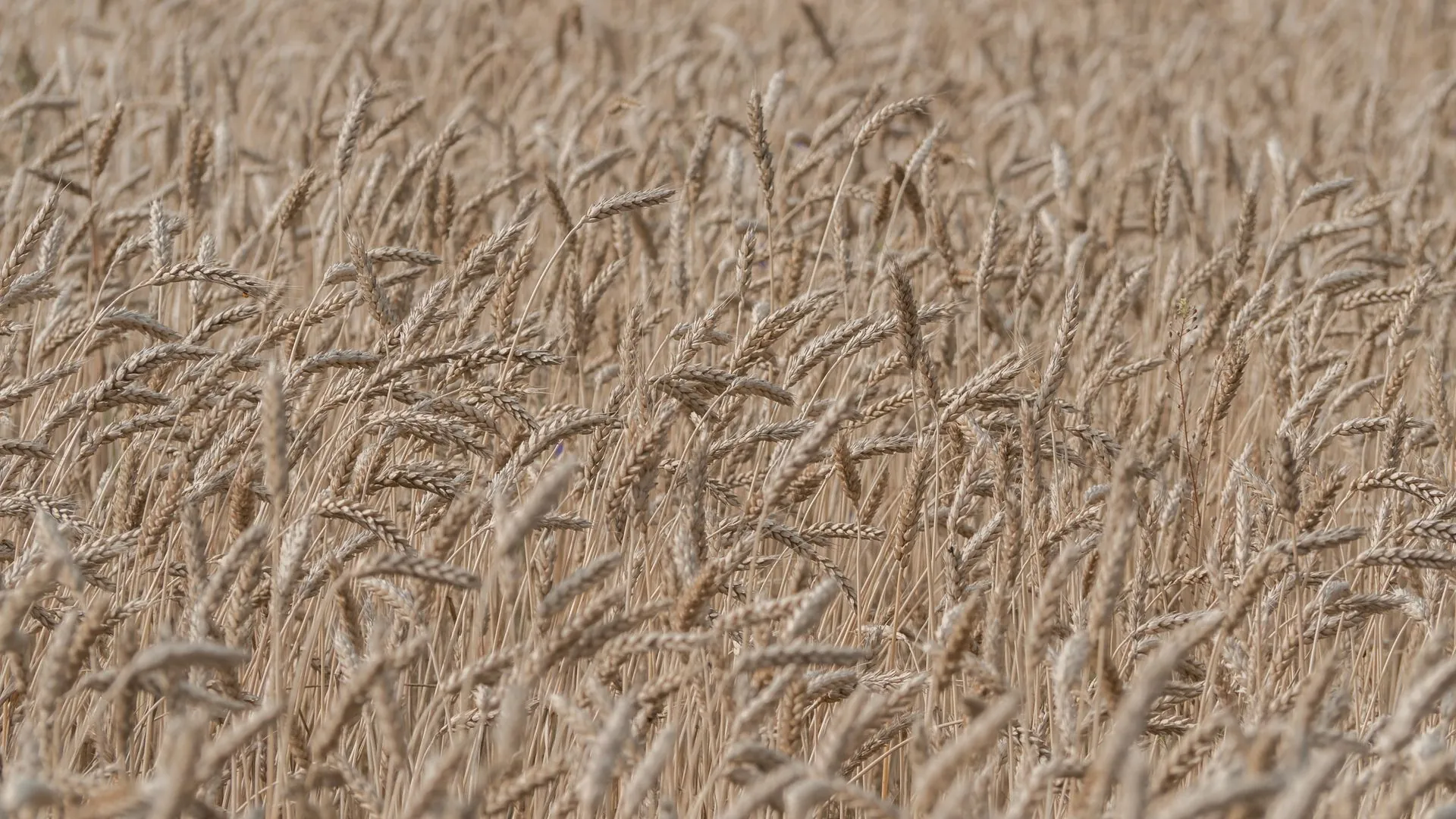 RyeA hardy winter cereal that copes with lighter soils. Goes to milling, distilling and feed.
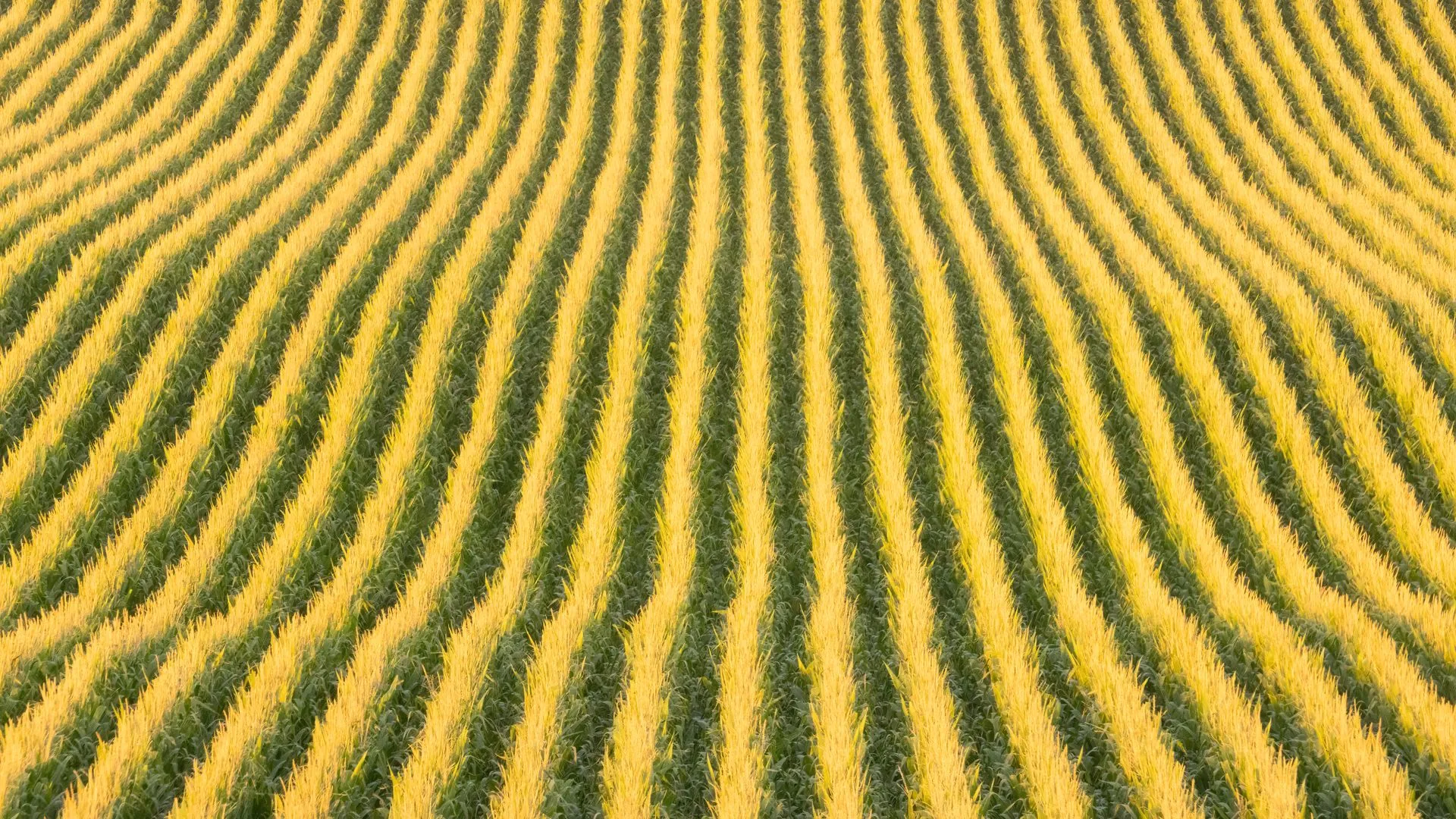 CornSpring-sown and harvested in autumn, then dried on our silo lines. Mainly a feed grain.
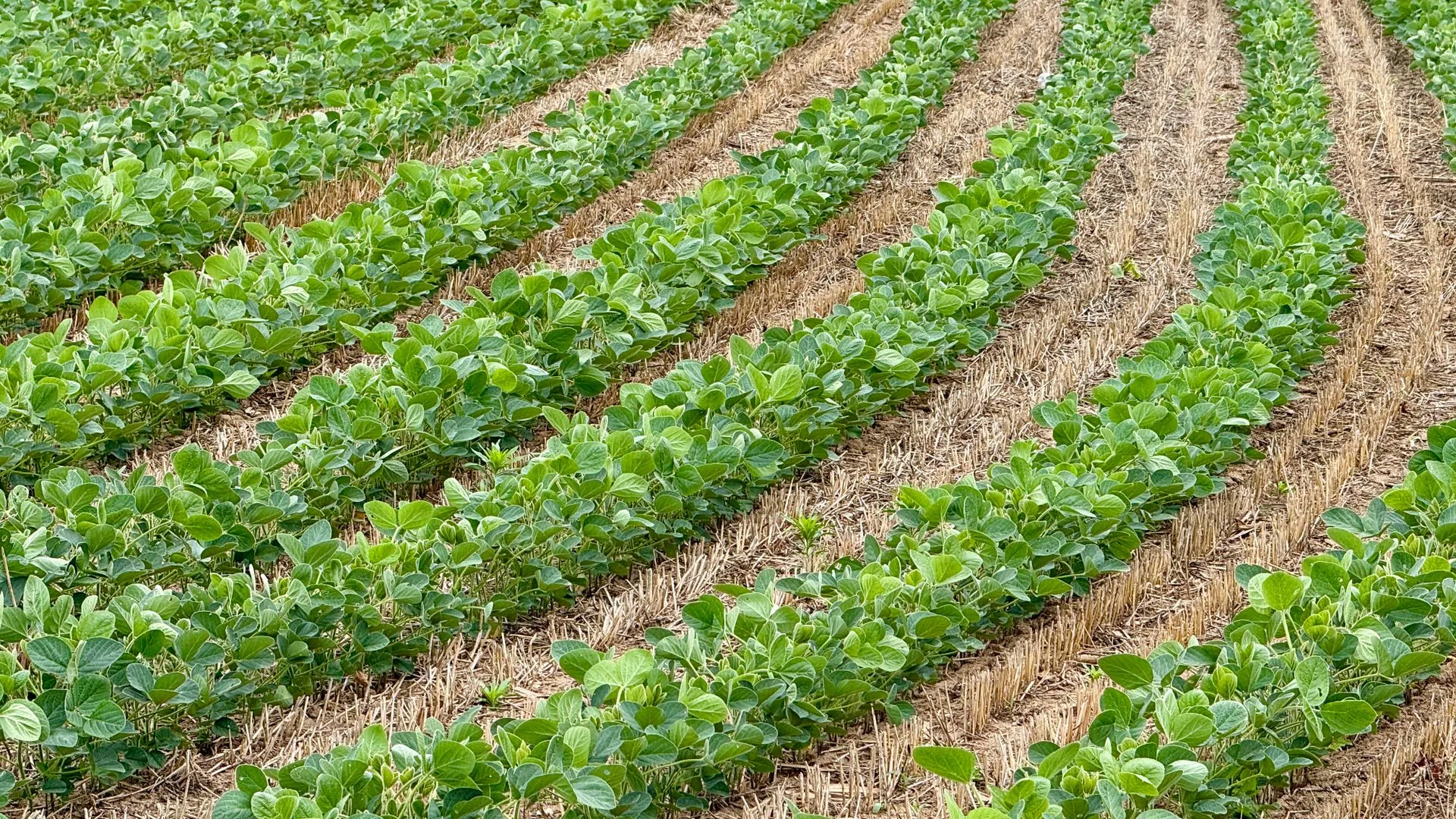 SoybeanA legume that feeds nitrogen back to the soil. Part of the crop goes to our own crushing plant.
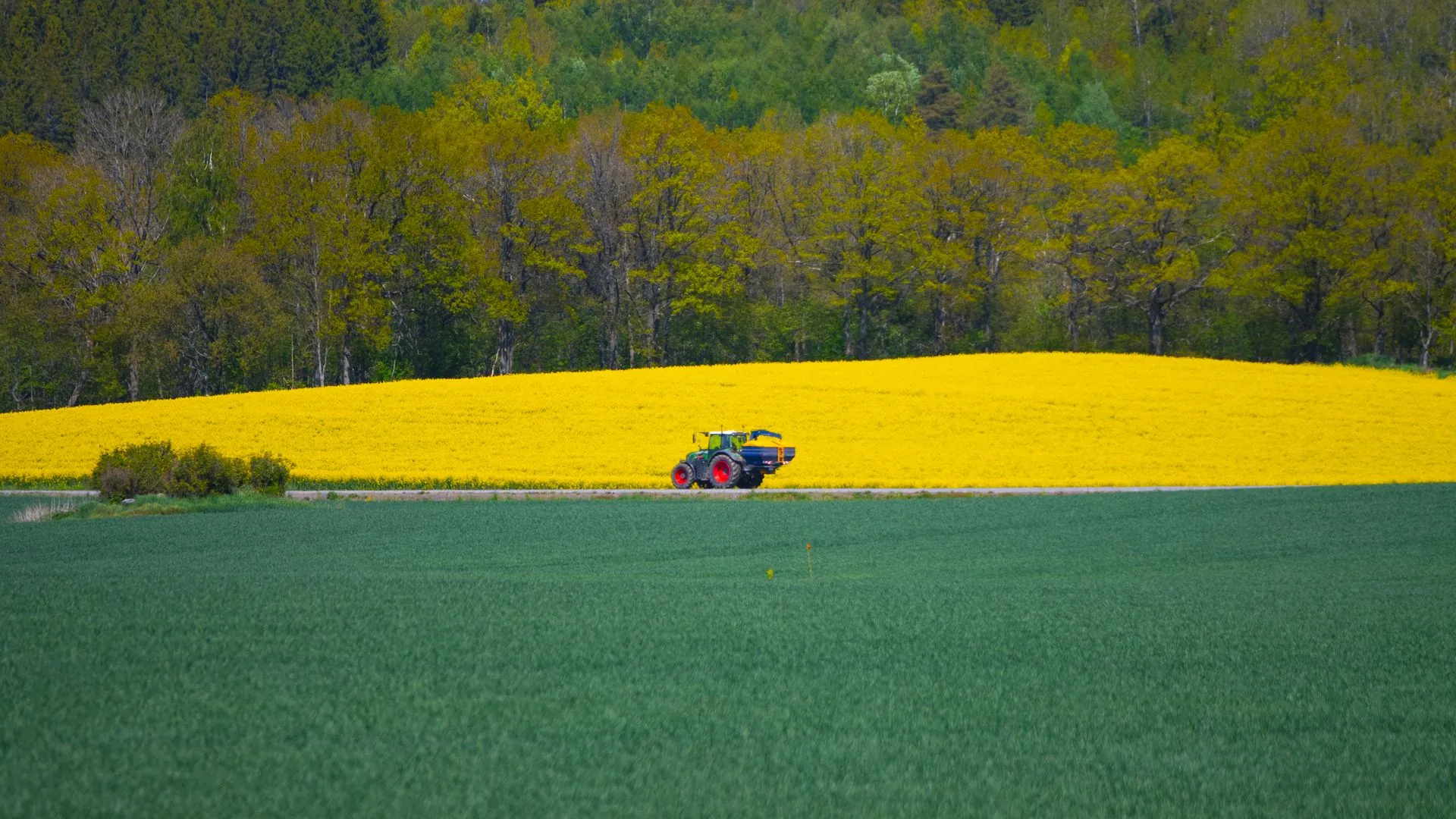 RapeseedMostly winter rapeseed with a high oil content, crushed for oil and meal.
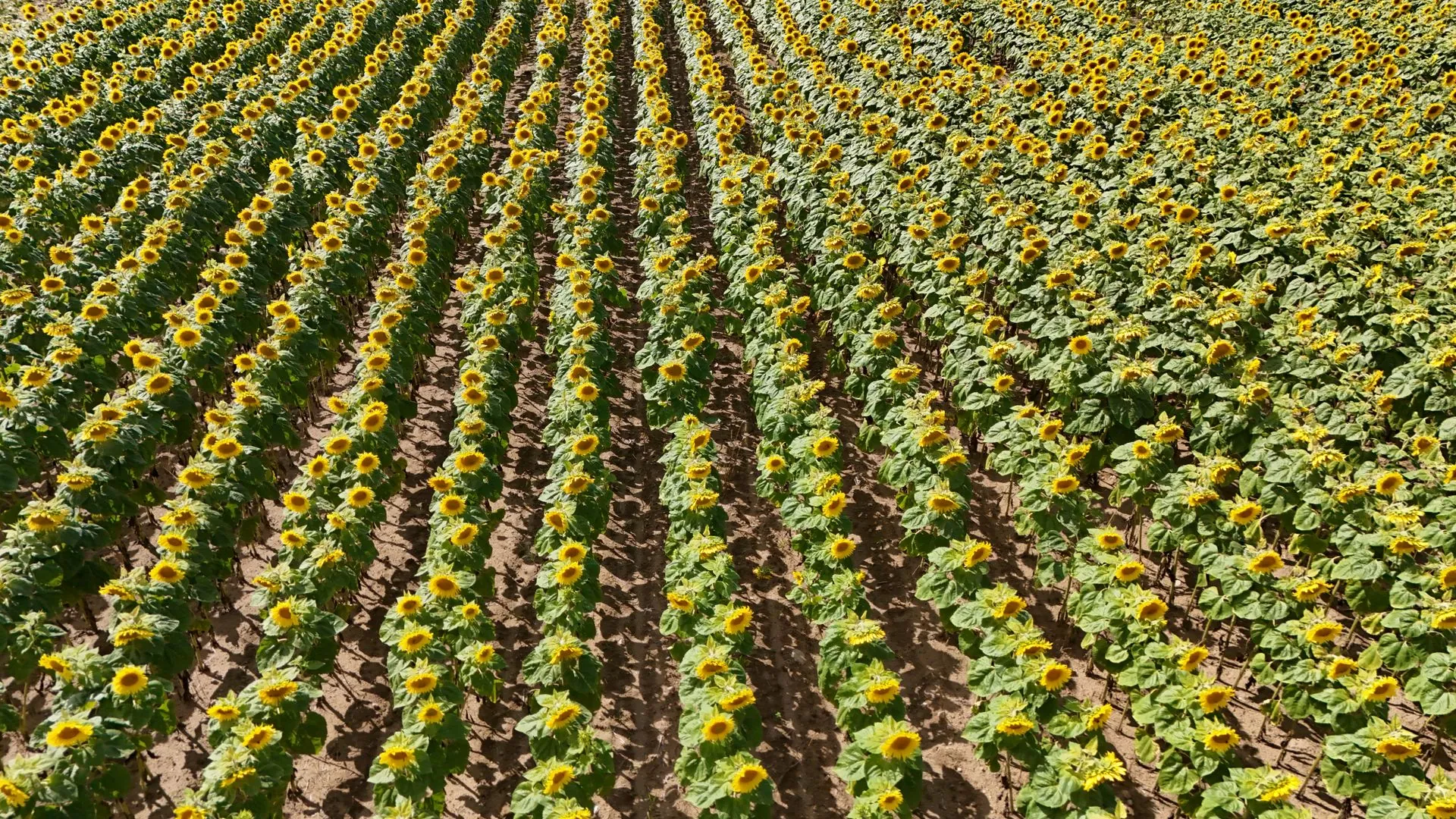 SunflowerClassic and high oleic hybrids. Ukraine's main oilseed and the base of our oil production.
Explore each crop
Read how we handle each crop from sowing to shipment: wheat farming and Ukrainian wheat, barley farming and feed barley, rye grain, corn farming, soybean farming and non GMO soybeans, rapeseed farming and sunflower farming.
Every page lists what buyers can source, how lots are specified and which uses the crop suits best.
Storing grain in certified silos
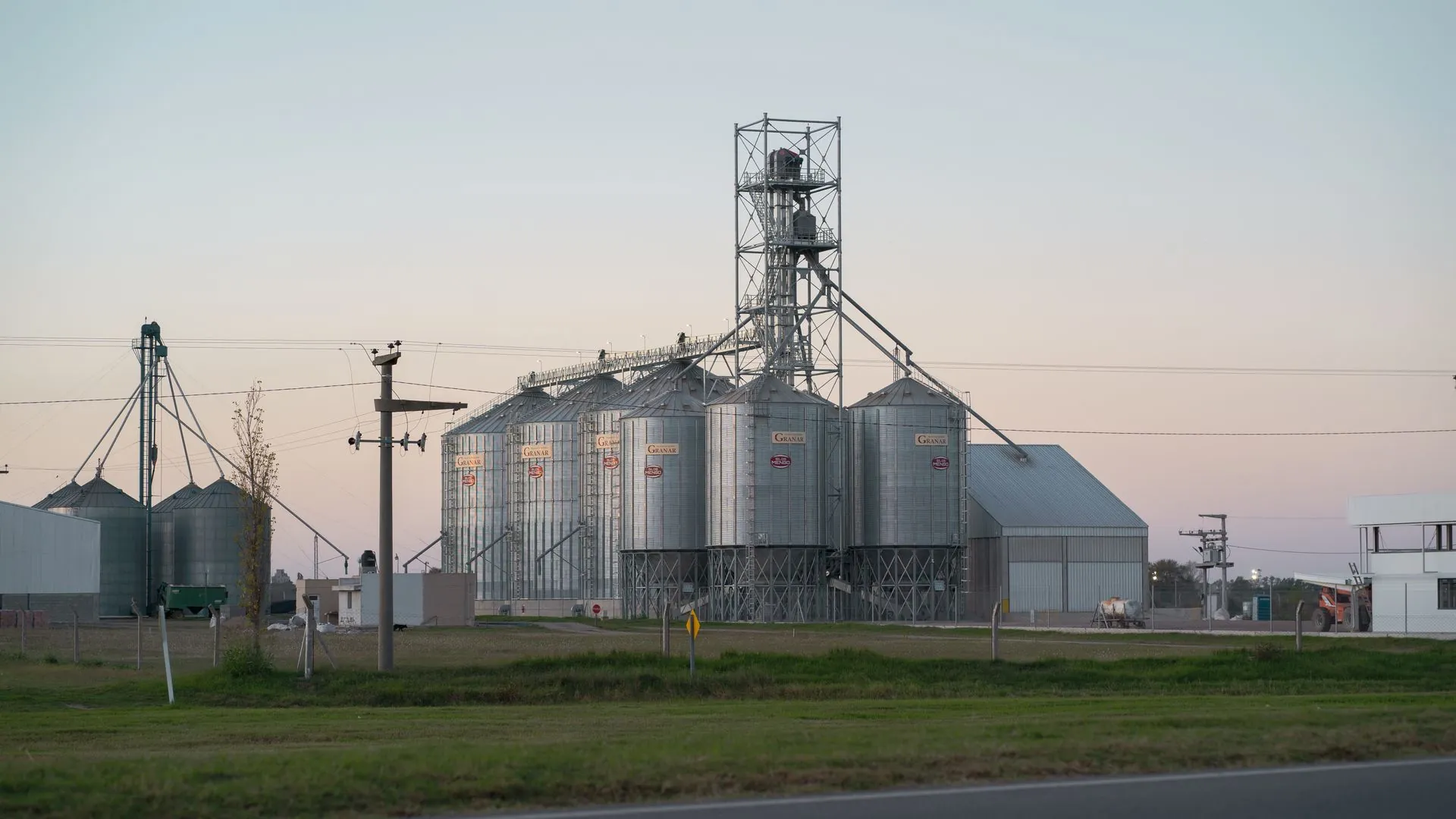
Storing grain properly decides how much of the field quality reaches the buyer. Our certified silo systems sit close to the production areas, in districts with good road and rail connections, so the harvest travels only a short way before it is put into storage. The complexes were built for the procurement and storage of oilseeds such as sunflower seeds, rapeseed and soybeans.
Each site runs a complete line: receiving, cleaning, drying, storage and shipping. Cleaning takes out chaff, dust, weed seeds and broken kernels. Drying brings moisture down to a level that is safe for long storage, which is what keeps storing grains over winter from turning into a heating, mould or insect problem.
Storing sunflower seeds needs the most care: oily seeds warm up faster than cereals, so clean bins, dry seed and regular monitoring matter. In practice every grain storage farm in our network works as a buffer between the harvest peak and the delivery schedule agreed with the buyer.
Grain processing and oilseed crushing
Grain processing on our side begins at the silo, where cleaning and drying turn field produce into a stable, tradeable commodity. For cereals, processing grain stops at this stage: wheat, barley, rye and corn leave as cleaned, dried grain. Oilseeds go one step further, into our own oil extraction plant, which has processed 390K tons of seeds.
That plant is what makes us a grain and seed processing business rather than a pure grower. Seeds are cleaned, dehulled, flaked and pressed, and part of the oil is refined. The output includes crude sunflower oil, refined sunflower oil, granulated sunflower meal and soybean cake for feed mills.
Processing sunflower seeds next to the farms that grow them shortens the chain: the same company controls the seed from the field to the tank. If you are looking for a grain processing company with its own raw material base, or a grain processing plant that can work with your specification, tell us what you need.
Logistics and supply basis
Because the warehouses stand next to the fields and close to transport routes, we ship in bulk by land, by road and by rail. When goods travel by road, packing in big bags is possible for buyers who prefer smaller units.
Grain products are sold on Incoterms 2020 terms: FCA, CPT, DAP and DDP. The term decides where our responsibility for transport and risk ends, so it is agreed together with the volume and the specification of each lot.
Quality standards and certification
The crops we grow meet the requirements of the State Standard of Ukraine (DSTU). On top of that, extra certification can be arranged depending on the crop, the sales market and what the buyer will use it for, whether milling, feed or crushing.
Quality parameters for each lot, such as moisture, foreign matter, protein or oil content, are fixed in the contract specification. Our approach to quality control is described on the quality and certificates page.
Source grain and oilseeds from our farms
Send us the crop, volume, delivery point and the specification you work with, and we will reply with the available lots and terms.
FAQ
Frequently asked questions
Did not find your answer? Write to info@ukragrosunoil.com or call +380 99 121 83 60.
In which regions of Ukraine are your farms?
Our farms are in the Dnipropetrovsk, Kirovohrad, Vinnytsia, Zhytomyr and Rivne regions, covering both steppe and northwestern areas.
Which grain farming products can I buy from you?
Wheat, barley, rye, corn, soybean, rapeseed and sunflower seeds, plus the products of grain farming that come out of our oil plant: crude and refined oils, sunflower meal and soybean cake.
Do you practise large scale grain farming with no-till?
Yes, no-till is one of the methods we use, alongside classical tillage. The choice is made per field, depending on soil, moisture and the crop.
Do you mill wheat or other cereals?
Processing grains such as wheat or corn on our side means cleaning and drying at the silo. Our crushing plant works with sunflower, rapeseed and soybean seeds.
How do you ship grain?
In bulk by road and rail from silos located near the fields. Big bags are possible for road shipments.
Which standard does your grain meet?
The State Standard of Ukraine. Additional certification can be arranged for a specific crop, market or end use.
Get an offer
Request a quote
Tell us the product, volume, packaging and destination. A sales manager replies with an offer, specification and delivery terms.
- Send the request form
- Get specification, price and terms
- Sign the contract and agree loading