Milling
Higher-protein wheat with good gluten goes to flour mills for bread and bakery flour.
Crops we grow
Wheat farming on our land in five regions of Ukraine, with drying, storage and bulk dispatch handled by the same team. Ukrainian wheat for millers, feed producers and traders.
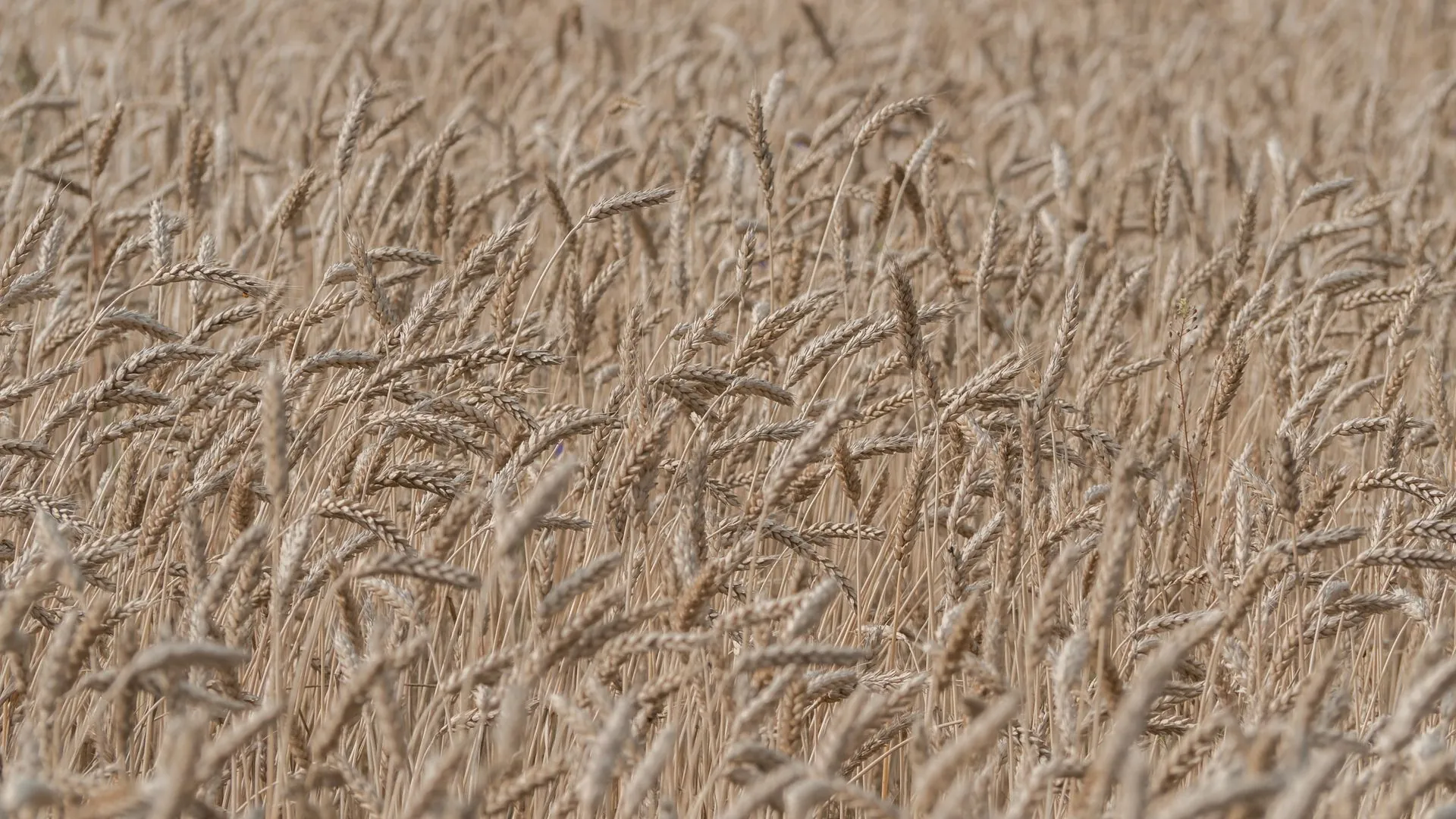
Wheat farming in Ukraine is built mainly on winter wheat. It is sown from mid-September to October, forms roots and a few leaves before the frost, overwinters under snow and resumes growth in early spring. Harvest starts in late June in the south and runs through July, moving north. Spring wheat, sown in March and April and cut in August, takes a much smaller area.
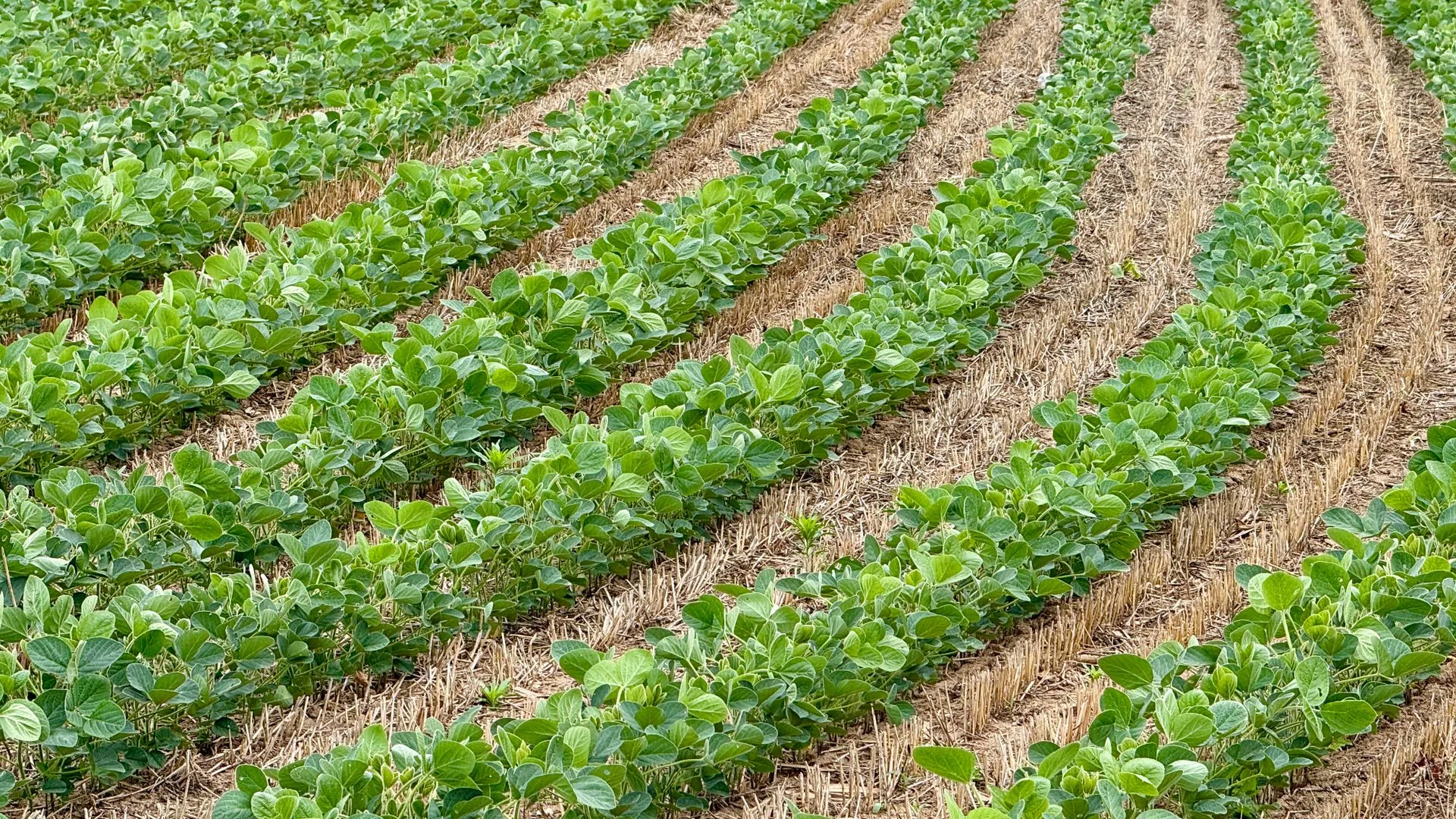
Winter wheat uses autumn and spring moisture better and usually yields more, which is why it dominates on the black soils of central Ukraine. A winter wheat plantation is often placed after soybean, rapeseed or peas, because these crops leave the field early and, in the case of legumes, add nitrogen.
Ukrainian wheat is traded by class and quality: protein, gluten, test weight, falling number, moisture and foreign matter are the figures buyers check first.
Weather is the main risk. A dry autumn delays emergence, a snowless frost can damage the crop, and rain at harvest lowers falling number and test weight. That is why the same region can deliver milling and feed wheat in different years.
Our wheat fields are part of a farming group in the Dnipropetrovsk, Kirovohrad, Vinnytsia, Zhytomyr and Rivne regions. That spread matters for wheat in particular: a dry May in the steppe and a wet July in the northwest seldom hit the same season, so the overall crop stays more even.
Tillage is chosen per field, from classical ploughing to no-till. On drier fields, no-till keeps stubble on the surface and saves the moisture young wheat needs in autumn. On heavier soil, ploughing still gives a cleaner seedbed. This is commercial wheat farming planned for yield and for the condition of the land in the following years.
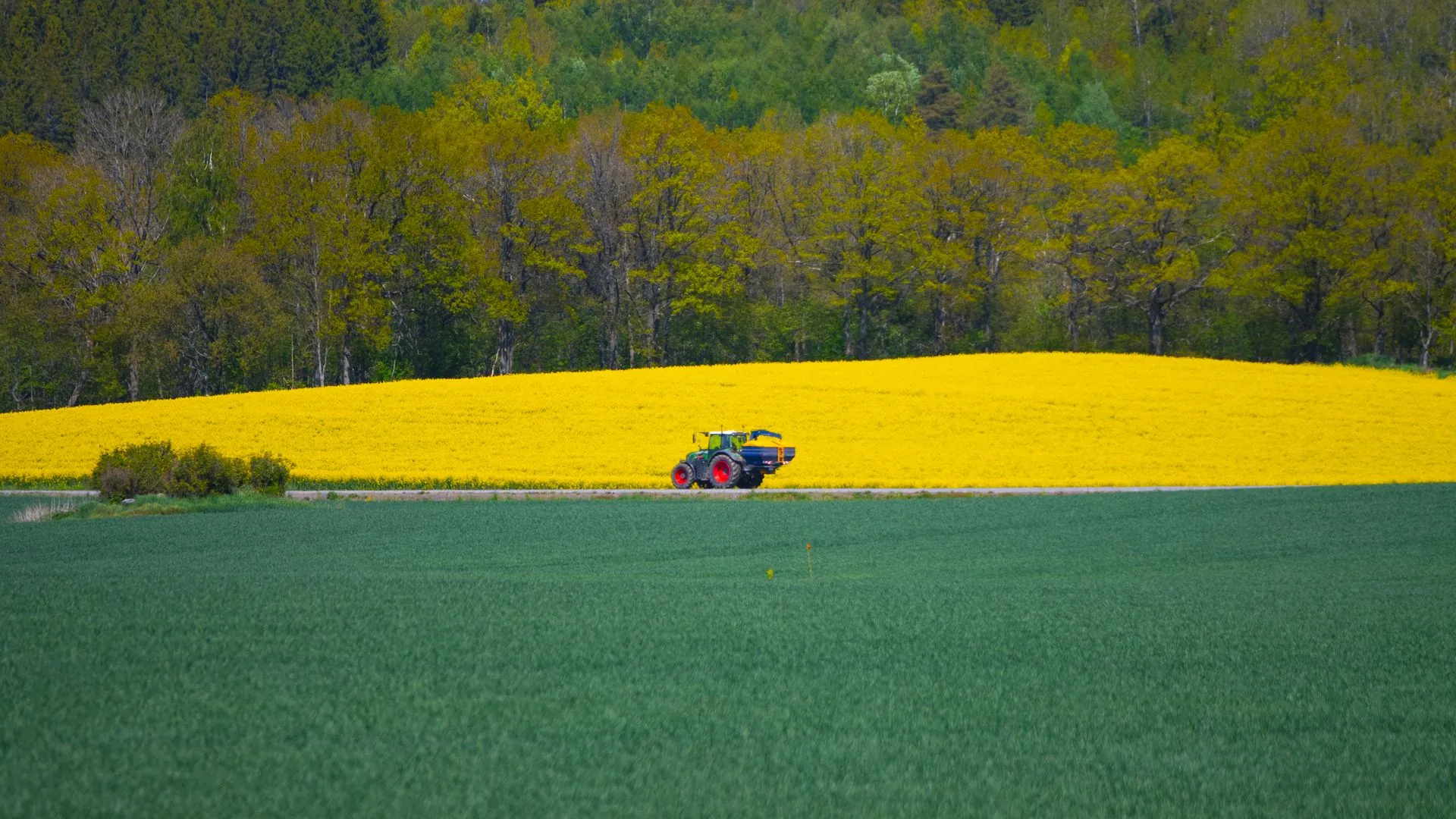
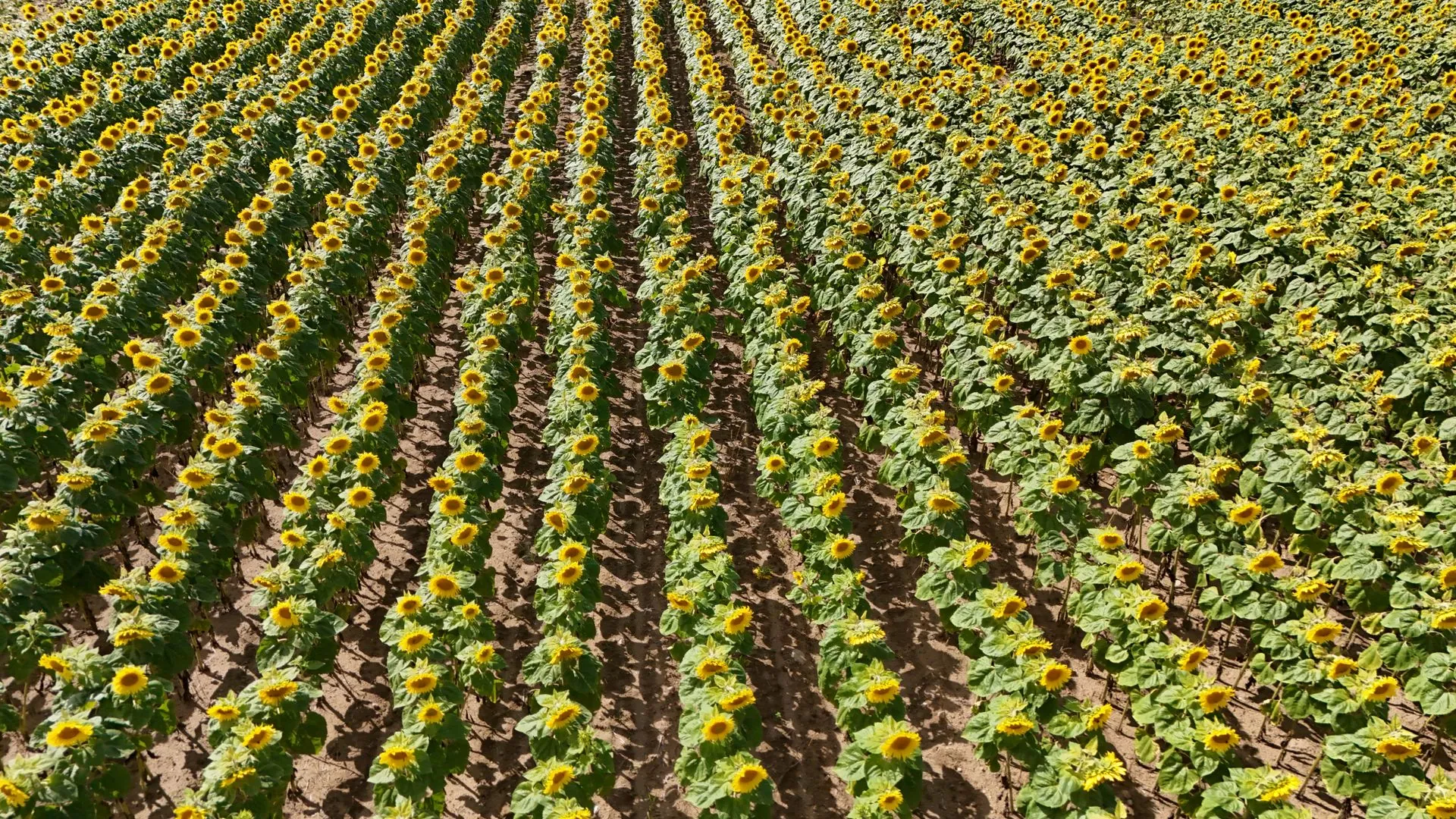
Growing wheat next to soybean, rapeseed, sunflower and corn also gives room for rotation. Wheat after an oilseed or a legume generally meets fewer root diseases and needs less nitrogen than wheat after wheat, and spreading sowing and harvest dates over several crops keeps machinery and silos busy across the year instead of in one short peak.
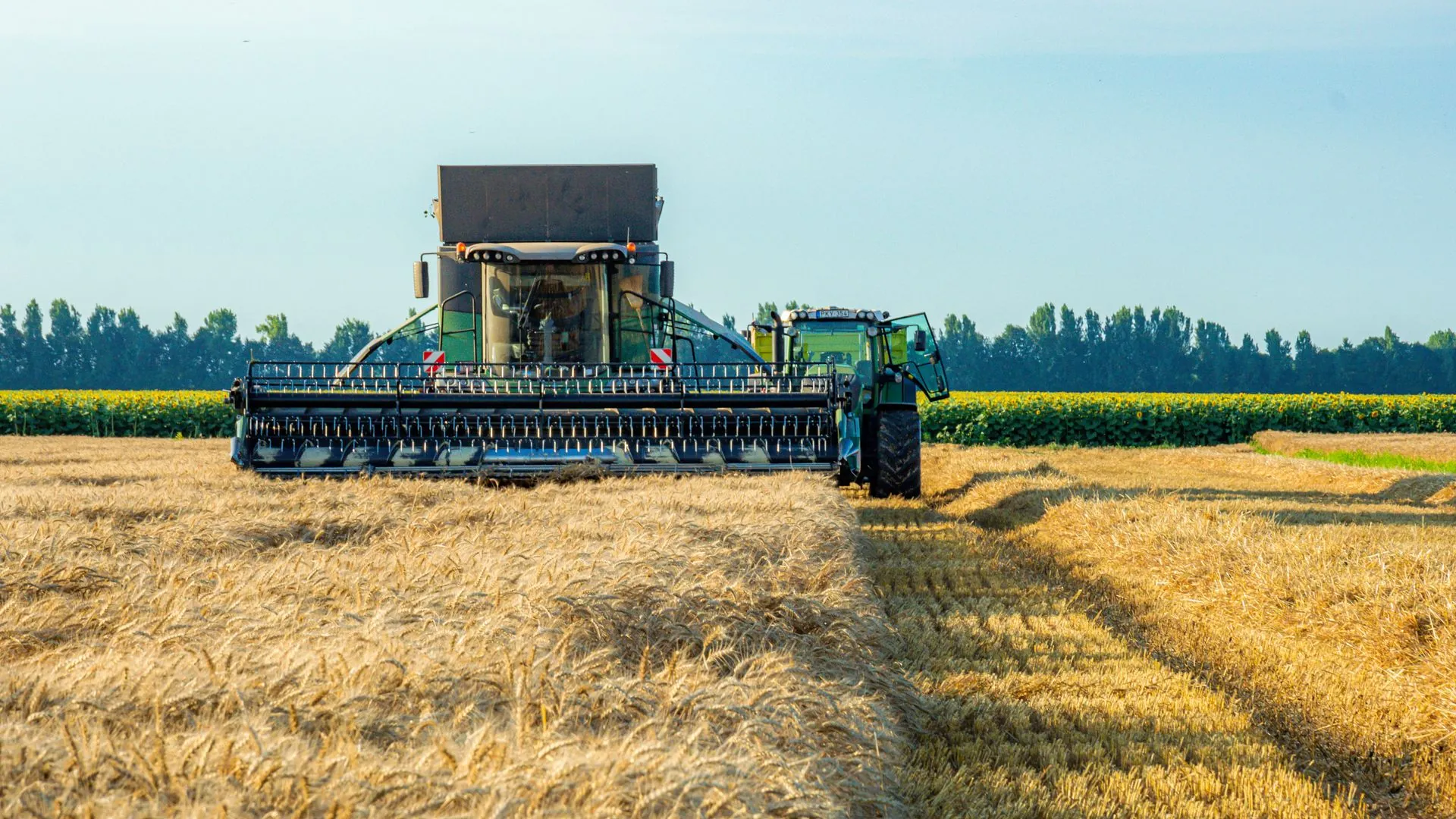
Wheat is combined when the grain reaches harvest moisture, field by field, and moved to the nearest silo.
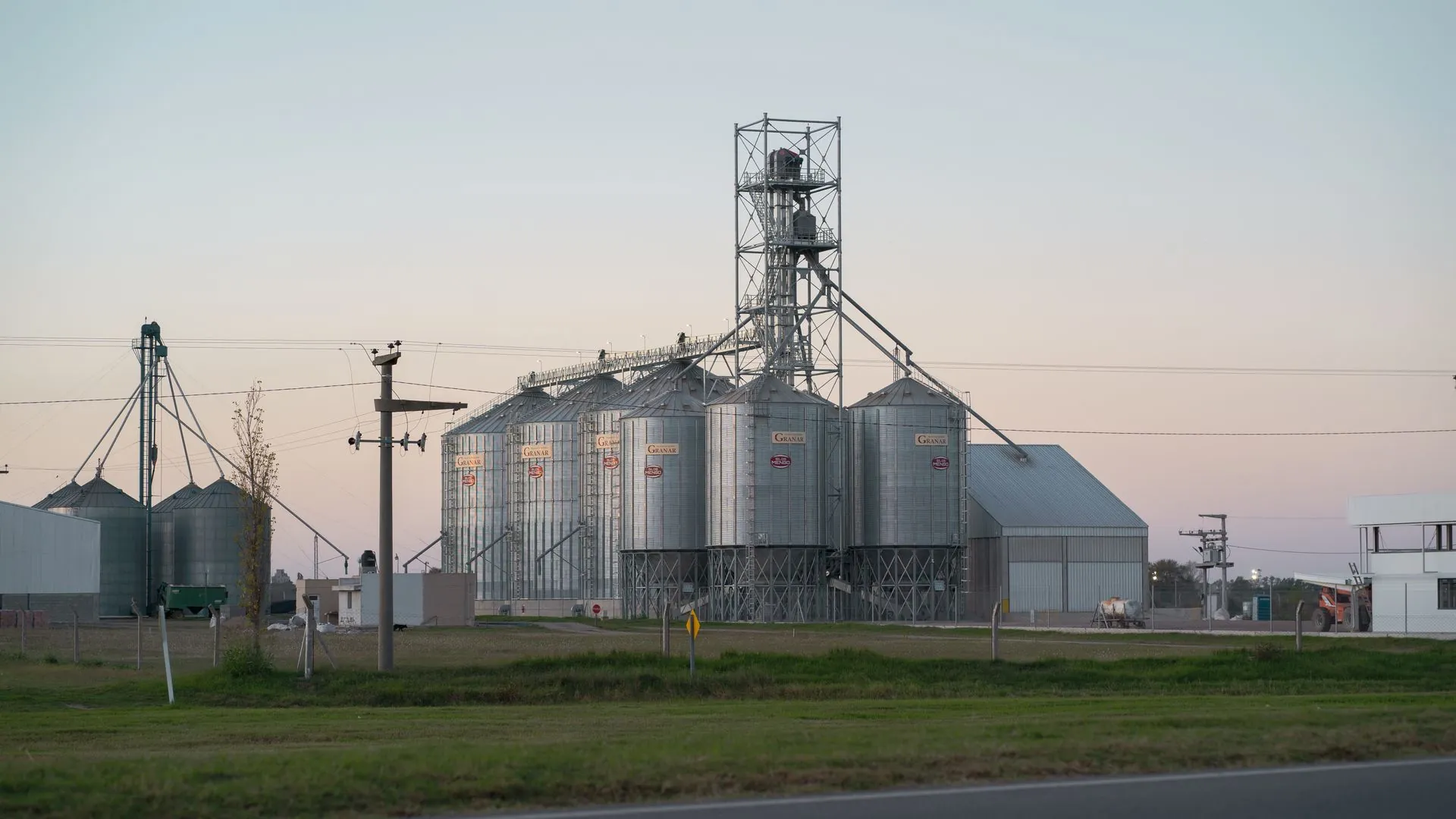
Each truck is received at the silo line, then the grain is cleaned of chaff, dust, weed seeds and broken kernels.
If a wet harvest leaves the grain too moist, it goes through the dryers before storage.
Clean, dry wheat is kept in certified silos located close to the fields and to road and rail routes.
Lots are loaded in bulk on trucks or railcars, or packed in big bags for road transport.
We act as a wheat seller with our own fields behind the offer, not as a reseller of other people's grain. Lots are sold in bulk, with quality fixed in the contract specification: class, protein, gluten, moisture and the other parameters your mill or feed plant works with. Volumes depend on the season and are confirmed per request.
Our wheat meets the requirements of the State Standard of Ukraine. Extra certification can be arranged depending on the market and end use. Ask which documents come with a lot; for export, a phytosanitary certificate and a certificate of origin are the usual set.
Delivery runs by road and rail on Incoterms 2020 terms FCA, CPT, DAP and DDP. For buyers comparing wheat suppliers, this means one partner from field to loading point.
Higher-protein wheat with good gluten goes to flour mills for bread and bakery flour.
Wheat that does not reach milling parameters is a valuable energy grain for feed mills, poultry and pig farms.
Traders and importers buy bulk lots on FCA, CPT, DAP or DDP terms for onward sale.
Pasta, cereal and snack producers source wheat to their own specification.
Wheat is one of seven crops our farms grow. Read more about grain farming and storing grain at our sites, or see the other cereals: feed barley, rye grain and corn farming. Our quality approach is described on the quality and certificates page.
Tell us the class, volume, delivery point and Incoterm you need, and we will come back with what the current crop can offer.
FAQ
Did not find your answer? Write to info@ukragrosunoil.com or call +380 99 121 83 60.
Winter wheat is cut from late June to early August, depending on the region and the season. Spring wheat follows in August.
We are Ukrainian wheat farmers: the grain comes from our own farming group in five regions and is stored in our certified silos.
Yes, we discuss regular supply. Volumes, quality and delivery terms are agreed per contract and depend on the crop of each season.
Yes, big bags are possible for road shipments. Bulk loading by truck or rail is the standard option.
Those written in the contract specification, such as class, protein, gluten, moisture and foreign matter. The wheat meets the State Standard of Ukraine.
Get an offer
Tell us the product, volume, packaging and destination. A sales manager replies with an offer, specification and delivery terms.