Restaurants and hotels
Kitchens that change fryer oil on a regular schedule and need a dependable way to remove it.
Used cooking oil
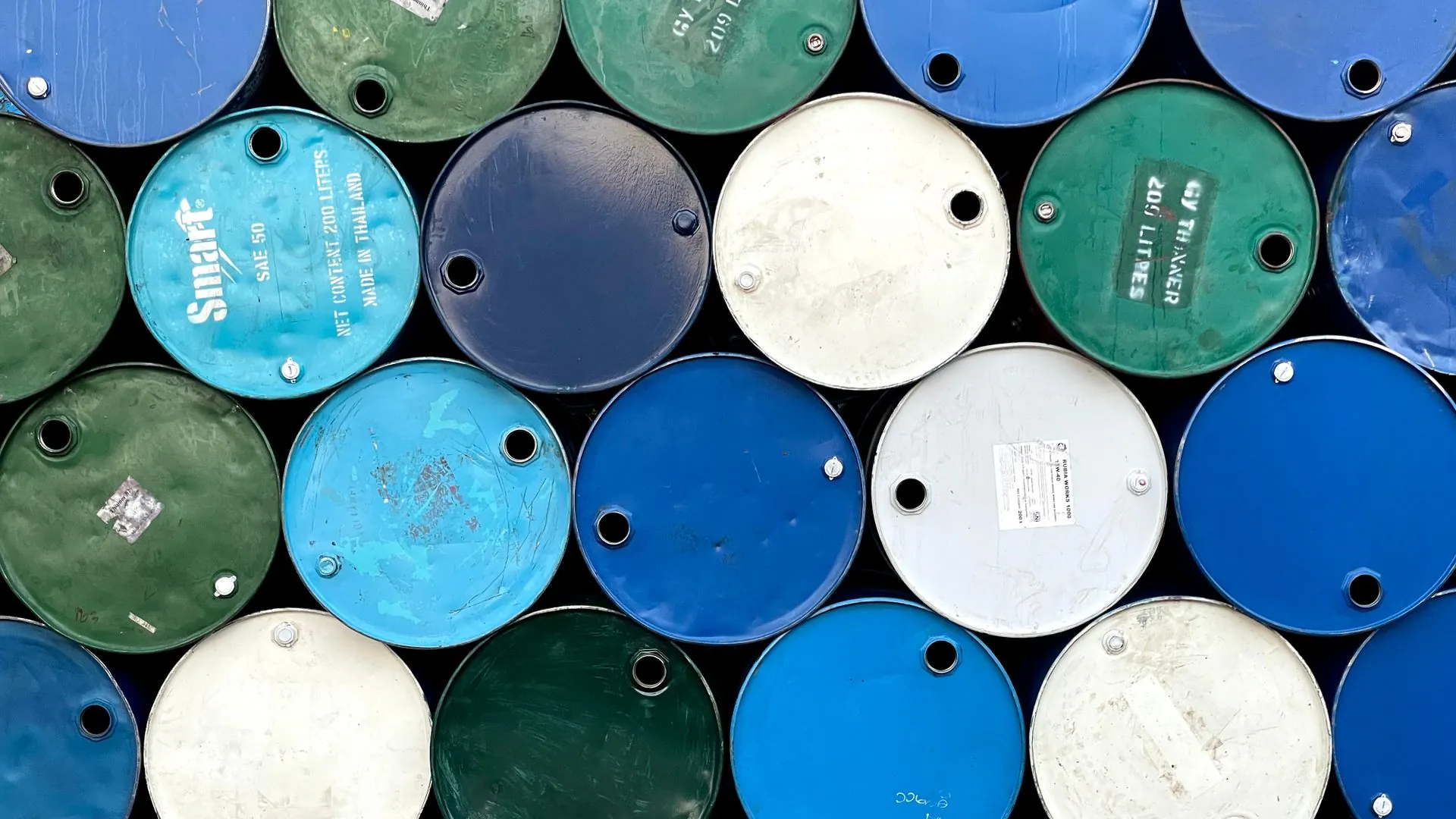
UKR AGROSUN OIL offers collection and recycling of used cooking oil from restaurants, hotels, caterers and food processors, so spent frying oil becomes a raw material instead of waste.
As a vegetable oil recycling company, we take spent frying oil from professional kitchens and food plants and send it for processing. Used vegetable oil recycling solves a problem every fryer creates: oil that has done its job still has to go somewhere.
Poured into a sink, used oil cools, hardens and sticks to pipe walls. Over time it blocks drains and grease traps and adds to the fatbergs that sewer operators have to remove. In many countries food businesses are required to hand spent oil to an authorised collector rather than throw it away with general waste.
Vegetable oil recycling turns that liability into a feedstock. The oil keeps most of its energy value, which is why it is in demand as a raw material for fuel and industrial products.
Any business that fries with vegetable oil in volume can arrange collection.
Kitchens that change fryer oil on a regular schedule and need a dependable way to remove it.
Caterers, canteens and fast-food outlets that run several fryers through the day.
Plants that fry snacks, ready meals or bakery goods and produce used oil in larger batches.
Food service distributors that want to offer their HoReCa clients oil collection alongside deliveries.
Recycling vegetable oil gives it a second life in several industries.
After filtering, the oil reacts with methanol in a process called transesterification. The result is biodiesel, a renewable fuel that can be blended with or replace diesel from fossil sources.
Hydrotreating turns used oil into renewable diesel, often called HVO, which engines can use in the same way as regular diesel.
Purified used oil also serves as a base for oleochemicals, such as biodegradable lubricants, soaps and other technical products.
Clean, well stored oil is easier to process, and it makes waste vegetable oil recycling more efficient. A few habits in the kitchen help:
If you are not sure whether a certain fat or oil can be collected, describe it in your request and we will tell you.
Use the contact form to tell us your business type, address, the oils you use and roughly how much used oil you produce per week or month.
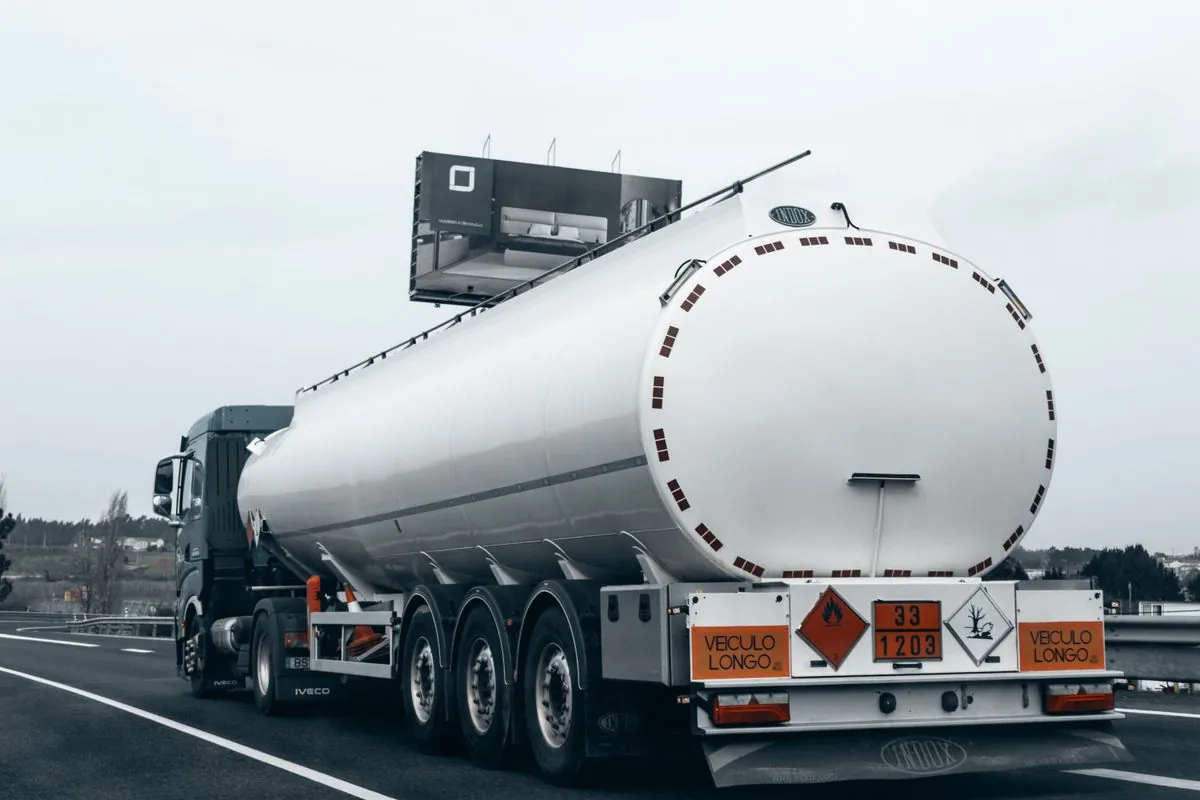
We confirm whether we can serve your location and agree the pick-up schedule, the container type and the paperwork you need for your records.
The used oil is picked up on the agreed dates and sent for recycling.
If your volumes change, the schedule is adjusted so containers do not overflow or sit half empty.
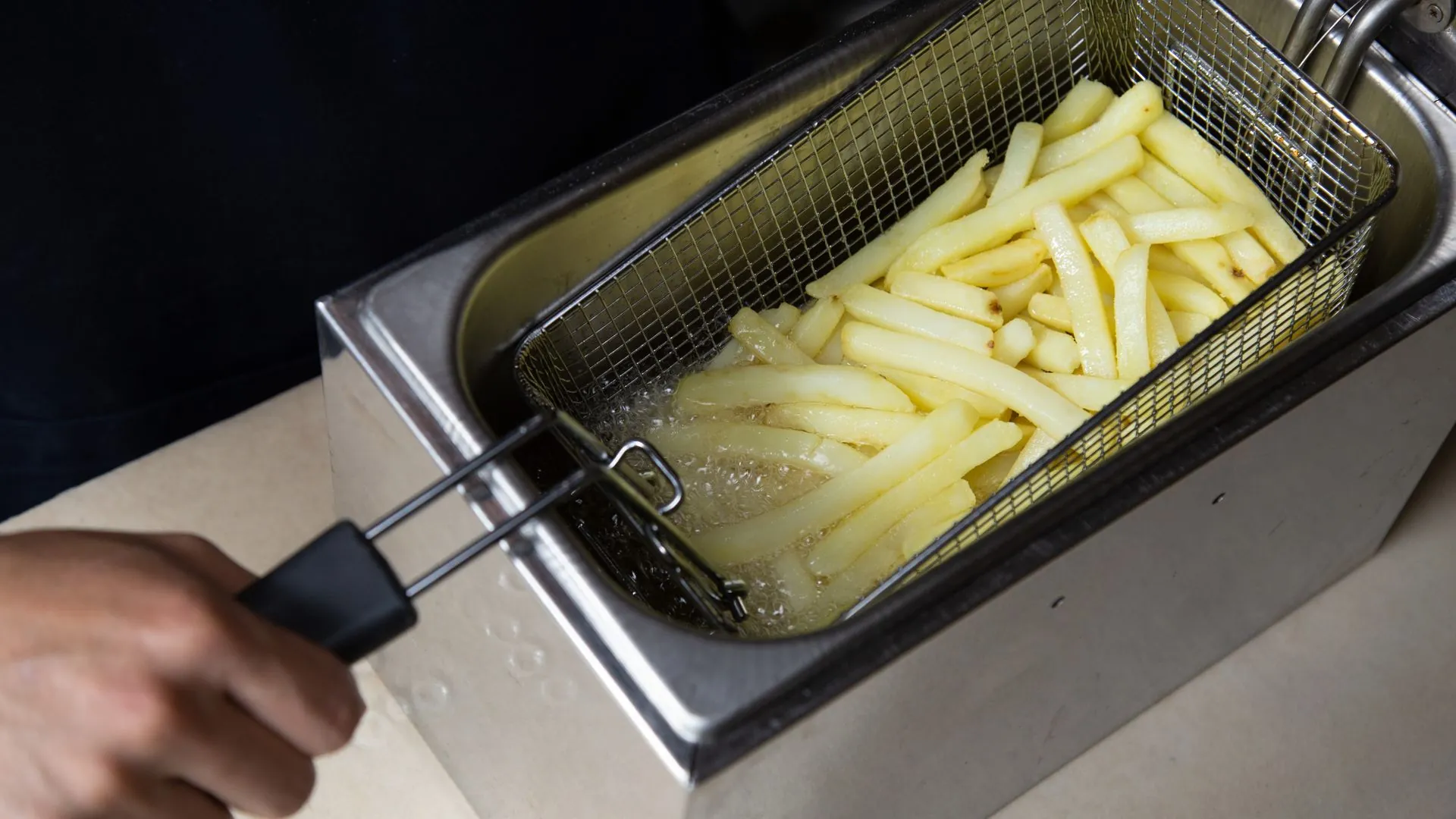
We also produce frying oils for HoReCa, so the topic of collection often comes up when a kitchen orders professional deep-frying solutions. A more stable oil lasts longer in the fryer and leaves less waste; the reasons are explained in our article on high oleic sunflower oil and its frying life.
The link between fresh oil and fuel is not new for us. Our crude sunflower oil page already describes how crude rapeseed oil can be converted into biodiesel, and the same chemistry applies to used oil. For bottled and bulk refined vegetable oil for your kitchen, see the refined range.
Frying oil breaks down with heat, moisture and food particles. Typical signs that it is time to change it are a darker colour, smoke at the usual frying temperature, heavy foaming, a sharp or rancid smell and food that browns too fast or tastes off.
Changing oil on time protects food quality, and it also keeps the spent oil in better condition for used vegetable oil recycling. Oil that has been burnt for days or mixed with other waste is harder to process.
Tell us where you are and how much used oil you produce, and our team will reply with the collection options.
FAQ
Did not find your answer? Write to info@ukragrosunoil.com or call +380 99 121 83 60.
We collect used vegetable cooking oil from fryers, such as sunflower, rapeseed, soybean and blended frying oils.
Terms depend on volume, location and oil condition and are agreed individually after we receive your request.
Collection areas are confirmed per request, so include your address when you contact us.
Please keep it separate from water, mineral oil and cleaning chemicals, as mixed waste is harder to recycle.
It is filtered and used as raw material, mainly for biodiesel and renewable diesel, or for industrial products such as lubricants and soaps.
 HoReCa frying oilsDeep-frying oilsFrying oils developed by our R&D department for hotels, restaurants and catering kitchens: sunflower, rapeseed, soybean, blended and…
 Crude oilsCrude rapeseed oilMechanically pressed and filtered cold pressed rapeseed oil from our Ukrainian plant, supplied in bulk to food producers,…
 About usAbout usWe are a union of Ukrainian farms that grows oilseeds, keeps them in our own silos and turns…
Get an offer
Tell us the product, volume, packaging and destination. A sales manager replies with an offer, specification and delivery terms.