What is vegetable oil made of - from seed to bottle
Which plants go into vegetable oil, what the bottle really contains and how seeds become clear oil through pressing, extraction and refining.
What is vegetable oil?
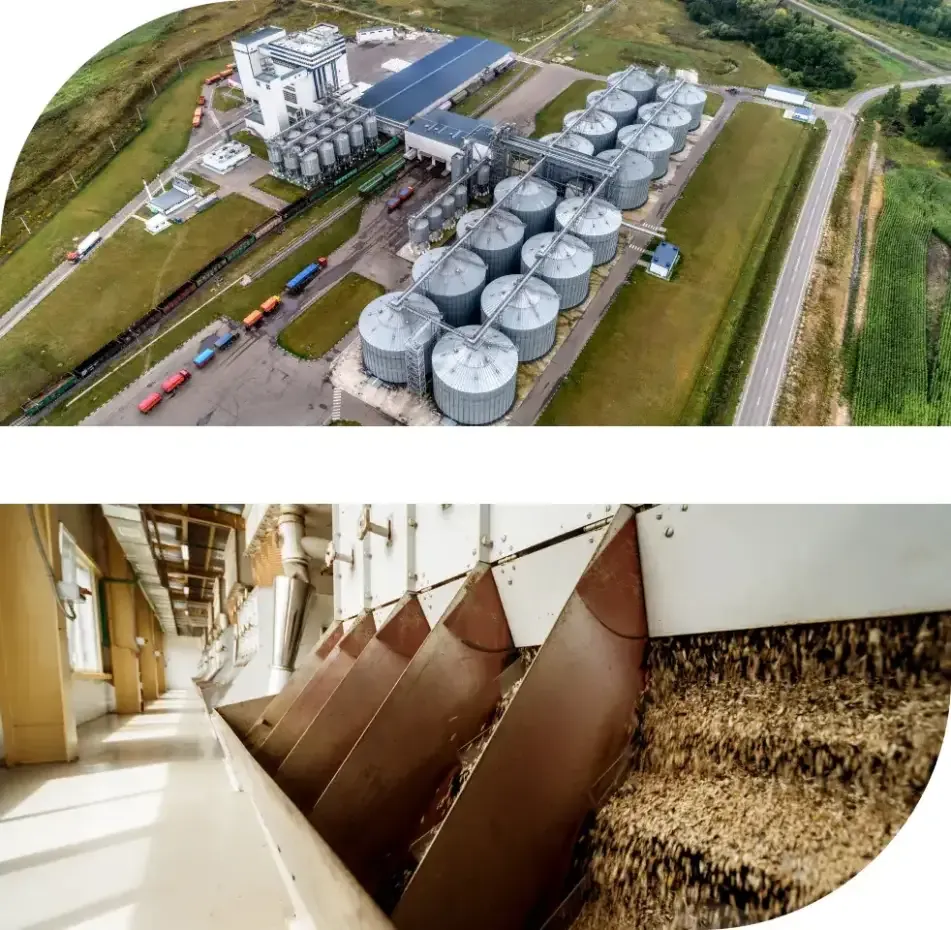
We grow sunflower and rapeseed in Ukraine, press the seed mechanically at our own plant and refine the oil there. This guide walks through the steps used across the industry, including some that not every plant runs, such as solvent extraction. It also explains the label on a generic bottle and why two oils from the same crop can look and taste completely different.
"Vegetable oil" is a broad term for any edible fat that comes from a plant rather than an animal. Here "vegetable" means plant origin, as in the old split between animal, vegetable and mineral. The Codex Alimentarius standard for named vegetable oils (CXS 210-1999), the reference most traders and labs use, covers the main ones, from arachis (peanut) oil to sunflower seed oil.
The term is also used for a specific product. A bottle sold simply as "vegetable oil" is usually a neutral, refined oil made from one crop or a mix of several. What is considered vegetable oil on a label therefore depends on the country, a point we come back to below.
What is vegetable oil made from - the main crops
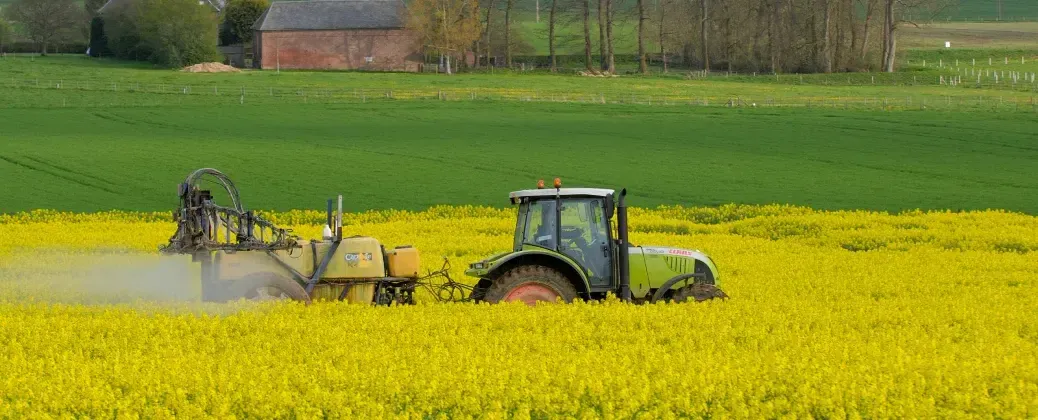
What is used to make vegetable oil almost always comes from one of two groups of plants, oilseeds or oil fruits.
Oilseeds
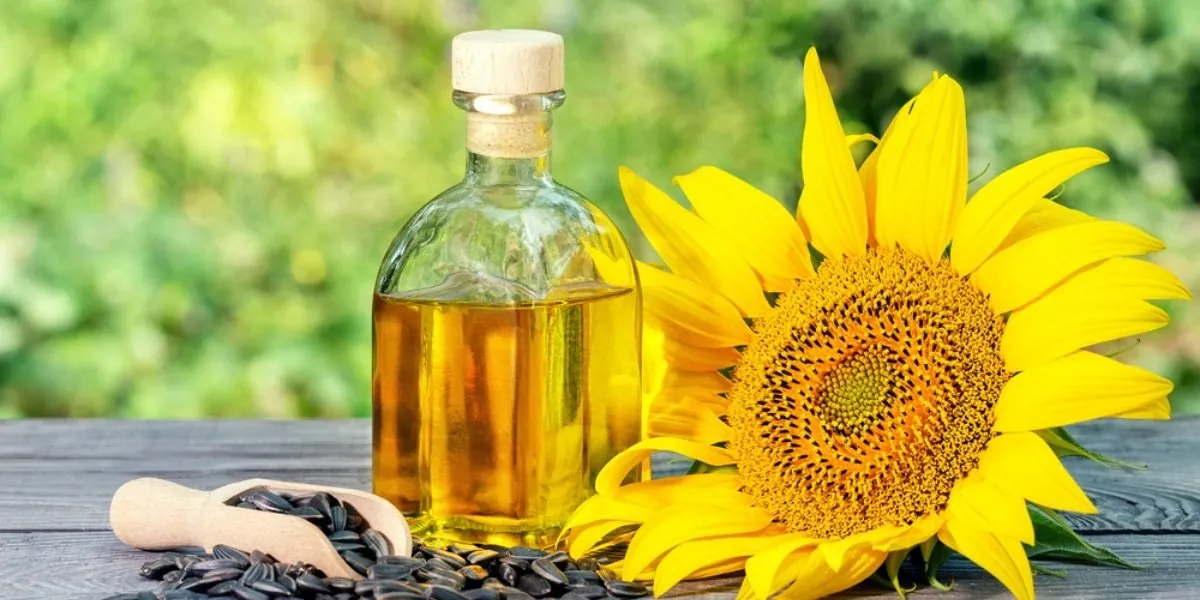
Most oils are pressed from seeds. Sunflower and rapeseed are grown mainly for their oil. Soybeans are valued as much for the protein meal left after extraction as for the oil itself. Other seed oils include corn germ, cottonseed, peanut, sesame and safflower.
Oil fruits
Palm oil comes from the fleshy fruit of the oil palm and olive oil from olives. Both are pressed close to where the trees grow, because the fruit spoils quickly after harvest. Palm kernel oil comes from the hard kernel inside the palm fruit, and coconut oil from copra, the dried flesh of the coconut. Kernels and copra keep well, so they are often shipped to crushing plants far from the plantations.
What vegetable is vegetable oil made from in a generic bottle?
That depends on where you buy it. In the United States, a bottle labelled "vegetable oil" is most often soybean oil or a blend with canola and corn oil. In Ukraine and much of Eastern Europe the everyday cooking oil is sunflower, and in many tropical countries it is palm olein.
In the EU the label has to tell you. Regulation (EU) No 1169/2011 lets a producer group refined plant oils under the name "vegetable oils", but the specific plant sources must be listed right after it, for example "vegetable oils (sunflower, rapeseed)". Outside the EU, rules vary, so the ingredient list on the back is the place to check what the oil in that particular bottle is made from.
Is vegetable oil made from vegetables?
Not in the everyday sense, since root and leaf vegetables hold almost no oil. The raw materials are seeds, grains and fruits, such as sunflower seeds, rapeseed, soybeans, corn germ, olives and palm fruit. Rapeseed does belong to the cabbage family, which is about as close as vegetable oil gets to an actual vegetable. Cold pressed rapeseed oil even carries a faint cabbage note, which refining removes.
What's in vegetable oil - ingredients and composition
A single-crop oil has one ingredient, the oil itself. Blends add a second or third. Some retail oils also carry a permitted antioxidant or an anti-foaming agent for frying, and these must be named on the label. Vegetable oil ingredients in the chemical sense are a different matter. At the molecular level every crop gives the same building blocks, triglycerides plus a small fraction of minor compounds. The proportions inside them are what differ.
Fatty acids
Each triglyceride carries three fatty acids, and the mix of saturated, monounsaturated and polyunsaturated fatty acids decides how an oil behaves. Palm oil is about half saturated and stays semi-solid in a cool room. Classic sunflower oil is mostly omega-6 linoleic acid, and rapeseed oil is mostly oleic acid with some omega-3. High oleic sunflower oil is mostly oleic acid, which is why it lasts longer in a fryer.
Minor components
The small remaining share is what makes crude oils taste and look so different from one another:
- tocopherols (vitamin E), which protect the oil from oxidation; sunflower oil is one of the richest sources;
- phytosterols, plant compounds similar in structure to cholesterol;
- carotenoids and chlorophyll, which give crude oil its yellow, orange or green colour;
- phospholipids, the same substances sold as lecithin;
- waxes from seed hulls, which turn cold oil cloudy;
- free fatty acids and flavour compounds.
Vegetable oils contain no cholesterol, since cholesterol is made only by animals. Like every fat, they provide about 9 kcal per gram. If you are planning a diet around a health condition, a doctor or registered dietitian is the right person to ask which oil suits you.
How is vegetable oil made - from seed to crude oil
The process of vegetable oil production has two stages. First the oil is taken out of the seed, which gives crude oil. Then the crude oil is refined, unless it is sold as a cold pressed product. Here is how the first stage runs for sunflower and rapeseed.
Cleaning, drying and dehulling
Seed arrives from the field with dust, stones, stalks and weed seeds. It is cleaned, dried to a safe moisture level and stored in silos. Sunflower seed is usually dehulled first, because the hulls hold little oil but plenty of wax. Rapeseed is too small to dehull, so it is crushed whole.
Conditioning and pressing
The seed is flaked between rollers and warmed. Heat makes the oil flow more easily and breaks down enzymes that would otherwise spoil it. Screw presses, also called expellers, then squeeze the flakes and push out most of the oil. What is left is a compact press cake that still holds part of the oil.
Solvent extraction
To recover the rest, the press cake is washed with food-grade hexane, which dissolves the oil. The solvent is then evaporated and recycled. EU law caps hexane residue in finished oils at 1 mg/kg (Directive 2009/32/EC), and refining removes what is left. At plants with an extraction line, the defatted cake, called meal, goes to animal feed.
Cold pressed oil
Cold pressed oil skips the heat and the solvent. The seed is pressed at low temperature, and the oil is settled and filtered but not refined. It keeps its colour, flavour and more of its natural compounds, at the cost of a lower yield and a shorter shelf life. Refined oil suits frying, baking and mayonnaise, while cold pressed oil is chosen for flavour. We compare the grades from a buyer's side in crude, cold pressed or refined sunflower oil.
Refining of vegetable oil - what each step removes
Crude oil is cloudy, strongly flavoured and goes off quickly. Refining turns it into clear, neutral refined vegetable oil, the kind most kitchens and food plants use. Refining cooking oil is a series of separate steps, each one aimed at a particular group of impurities.
Degumming
Water or a weak acid is mixed into the oil so that phospholipids swell and can be separated. Without this step, gums settle at the bottom of a tank and make the oil foam in a fryer.
Neutralisation
An alkali solution reacts with free fatty acids and turns them into soapstock, which is spun off. Some refineries skip this step and remove free fatty acids later by steam instead. That route is called physical refining.
Bleaching
The oil is stirred with bleaching earth, a fine activated clay, which absorbs pigments such as chlorophyll and carotenoids along with traces of metals. The clay is then filtered out, and no chemical bleach is used at this stage.
Winterisation
Sunflower oil is chilled slowly so that its waxes crystallise and can be filtered off. Winterised oil stays clear in a cold warehouse or a fridge. Rapeseed oil has far less wax, so this step matters most for sunflower.
Deodorisation
Finally, steam is passed through hot oil under deep vacuum. This strips out odour and flavour compounds and the last free fatty acids. The result is the familiar refined, deodorised oil, often labelled RBD (refined, bleached, deodorised), with a high smoke point and a long shelf life. Refining does reduce some vitamin E, but a good refinery keeps temperatures and times under control to preserve as much as it can.
How the oil is made at UKR AGROSUN OIL
UKR AGROSUN OIL runs its own chain from field to refined oil. Our farms in five regions of Ukraine grow sunflower, high oleic sunflower and rapeseed. The seed goes into our own certified silos, then to our plant, where it is pressed mechanically and part of the oil is refined. The in-house lab tests the seed on intake, monitors each refining step and checks every lot again before it ships. As a bulk vegetable oil producer, our plant can make up to 67,000 tonnes of sunflower oil and 9,000 tonnes of rapeseed oil a year.
For food manufacturers, distributors and retailers we offer:
- refined sunflower oil and refined rapeseed oil, winterised and deodorised, in bulk;
- crude and cold pressed oils for buyers who refine themselves or need flavour and colour;
- frying oils and blends for restaurants and food service;
- bottling in PET from 850 ml to 10 L, including oil under your own brand.
Bulk oil ships in 24-tonne tank trucks or 20-tonne flexitanks in 20-foot containers, on FCA, CFR, CIF, DAP or DDP terms. Each lot comes with a specification and lab results, so you know exactly what is in the oil you buy. Send us your request with the product, volume and destination, and our sales team will suggest a grade and quote a price.
Written by the UKR AGROSUN OIL sales and production team.